Mobile air
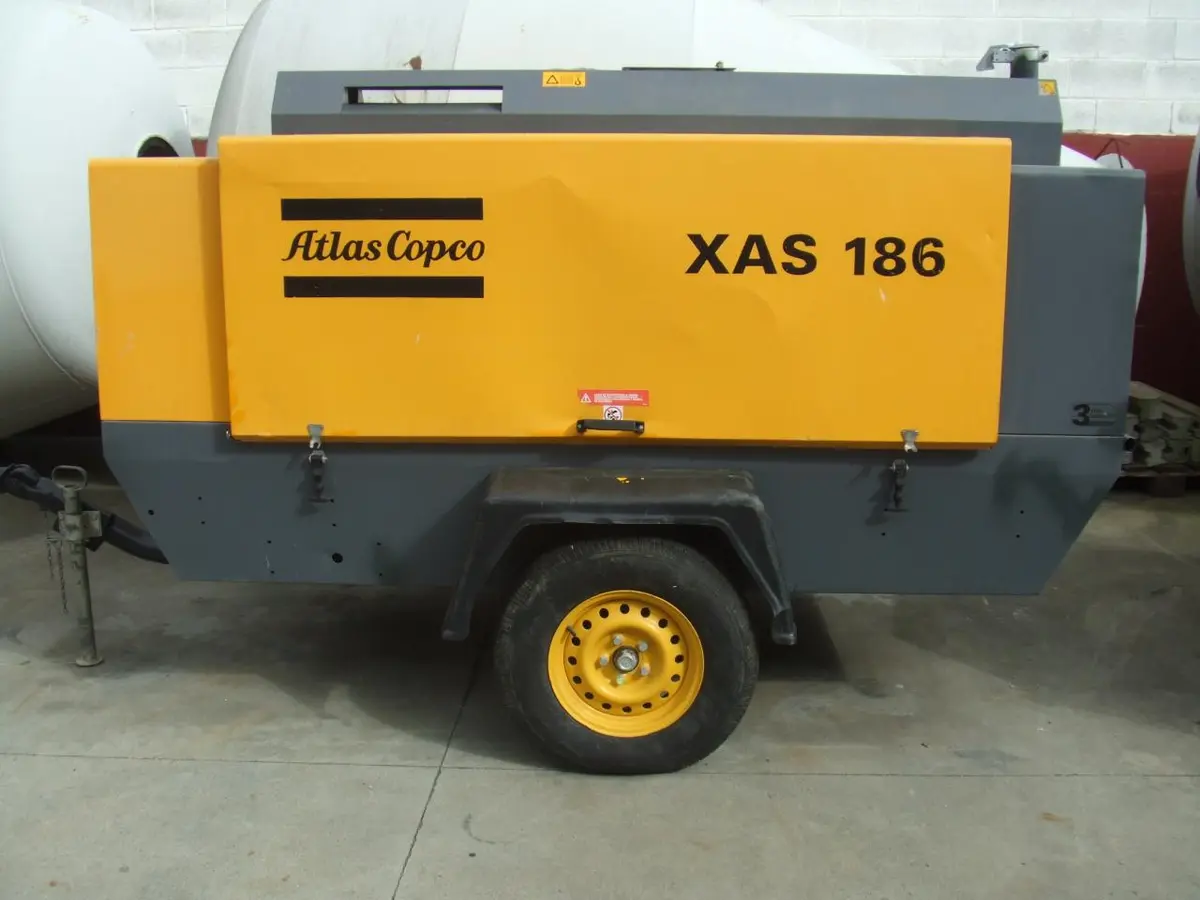
Portable diesel compressors
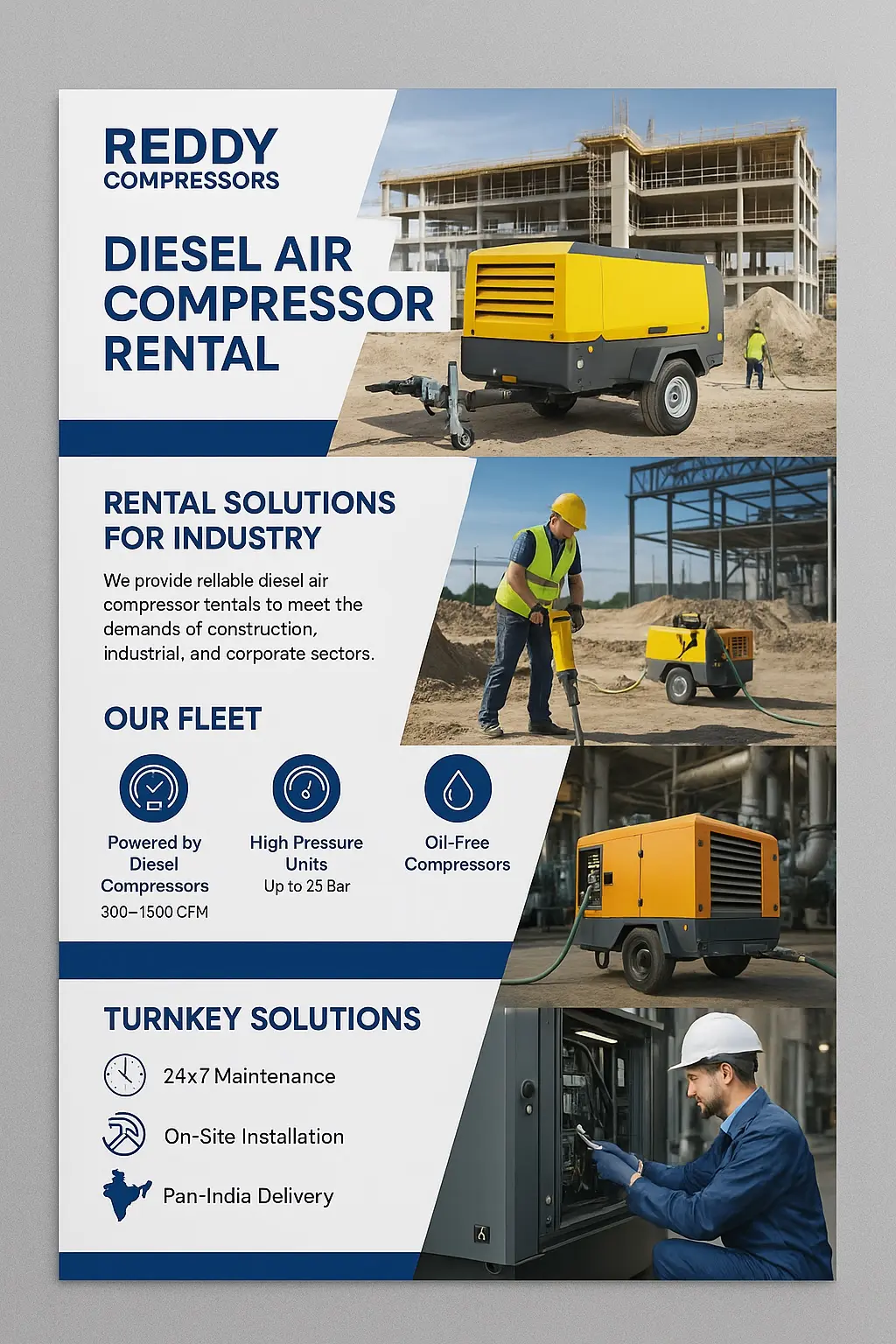
100–1,600 CFM · 7–30 barSite-ready compressed air for construction, quarrying, blasting, drilling, shutdowns and temporary production.
Explore range →
Industrial compressed-air engineering · Hyderabad
SALES · RENTAL · SERVICE · ENGINEERINGReddy Compressors connects equipment selection, temporary air, lifecycle service, air treatment, distribution and engineering evidence into one operating system—from the compressor room to the point of use.
Five customer decisions
A world-class compressed-air decision is rarely just a product decision. It connects operating duty, continuity, lifecycle cost, air quality and system behavior to the correct commercial action.
Compare compressor technology, airflow, pressure, mobility, air treatment and lifecycle implications before capital is committed.
Products · selection · comparisonTreat rental as a complete temporary utility: compressor, treatment, receiver, hoses, headers, fuel or power, logistics and operating support.
Projects · shutdowns · breakdownsMove from fault response to root-cause control, preventive maintenance, overhaul, commissioning evidence and lifecycle reliability.
Repair · AMC · overhaul · commissioningSize demand, profile pressure, test storage, evaluate air quality and examine distribution losses before recommending equipment changes.
Demand · pressure · storage · air qualityUse audits, leakage control, sequencing, pressure optimization and specific-power thinking to improve energy and reliability together.
Energy · controls · leakage · monitoringEquipment architecture
Use airflow, pressure, mobility, duty cycle, air quality and site conditions to narrow the technology—then verify treatment, storage and distribution around it.
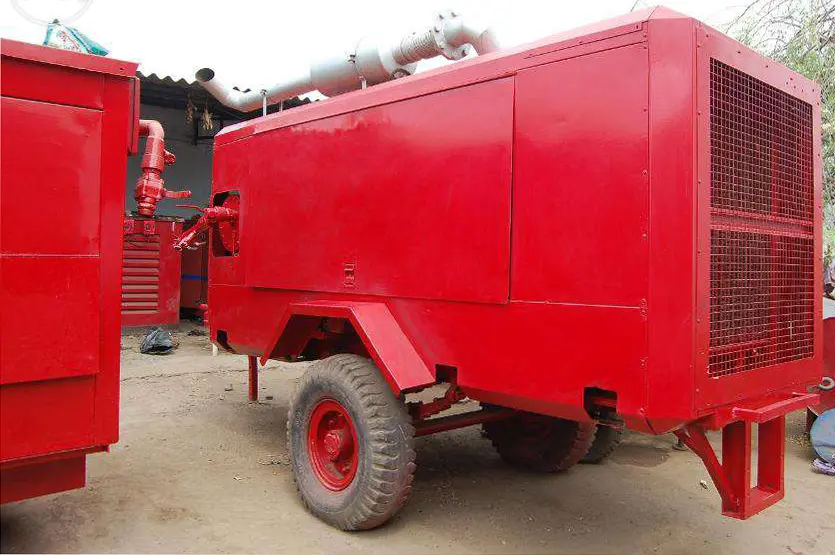
Site-ready compressed air for construction, quarrying, blasting, drilling, shutdowns and temporary production.
Explore range →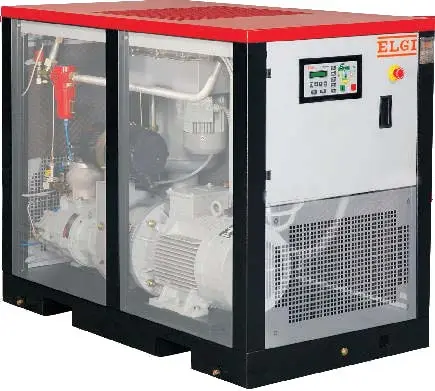
Duty-matched plant air for continuous industrial demand, variable loads and compressor-room integration.
Explore range →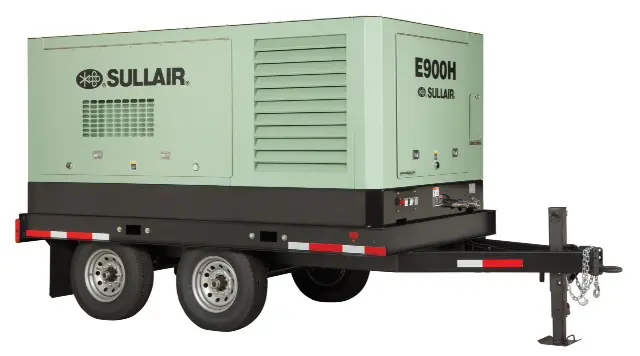
High-pressure configurations for PET, testing, process duty, drilling and other demanding pressure profiles.
Explore range →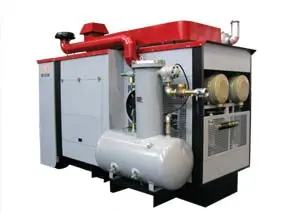
Air quality, storage and pipework engineered around dew point, pressure stability and point-of-use demand.
Explore range →Reddy equipment gallery
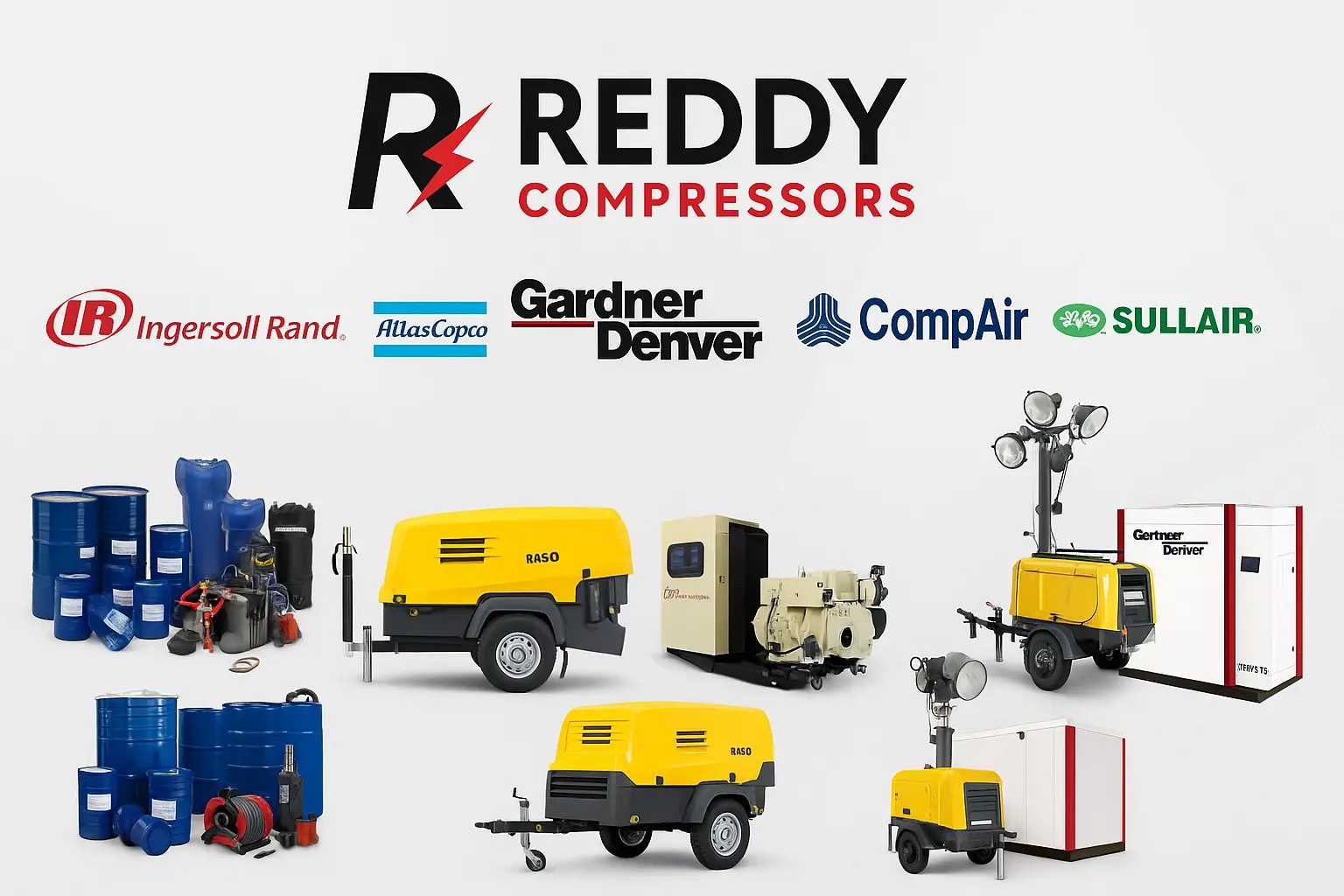
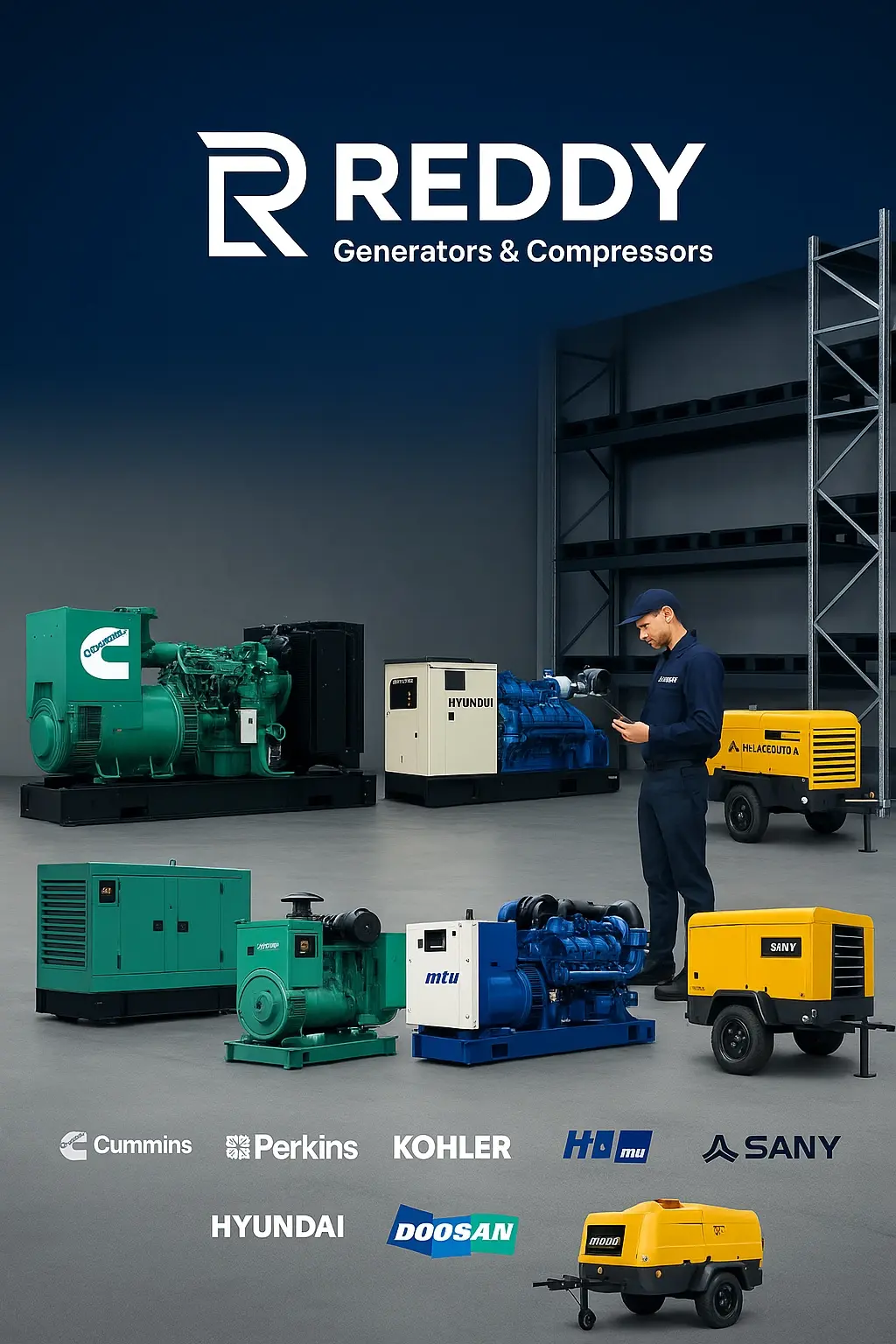
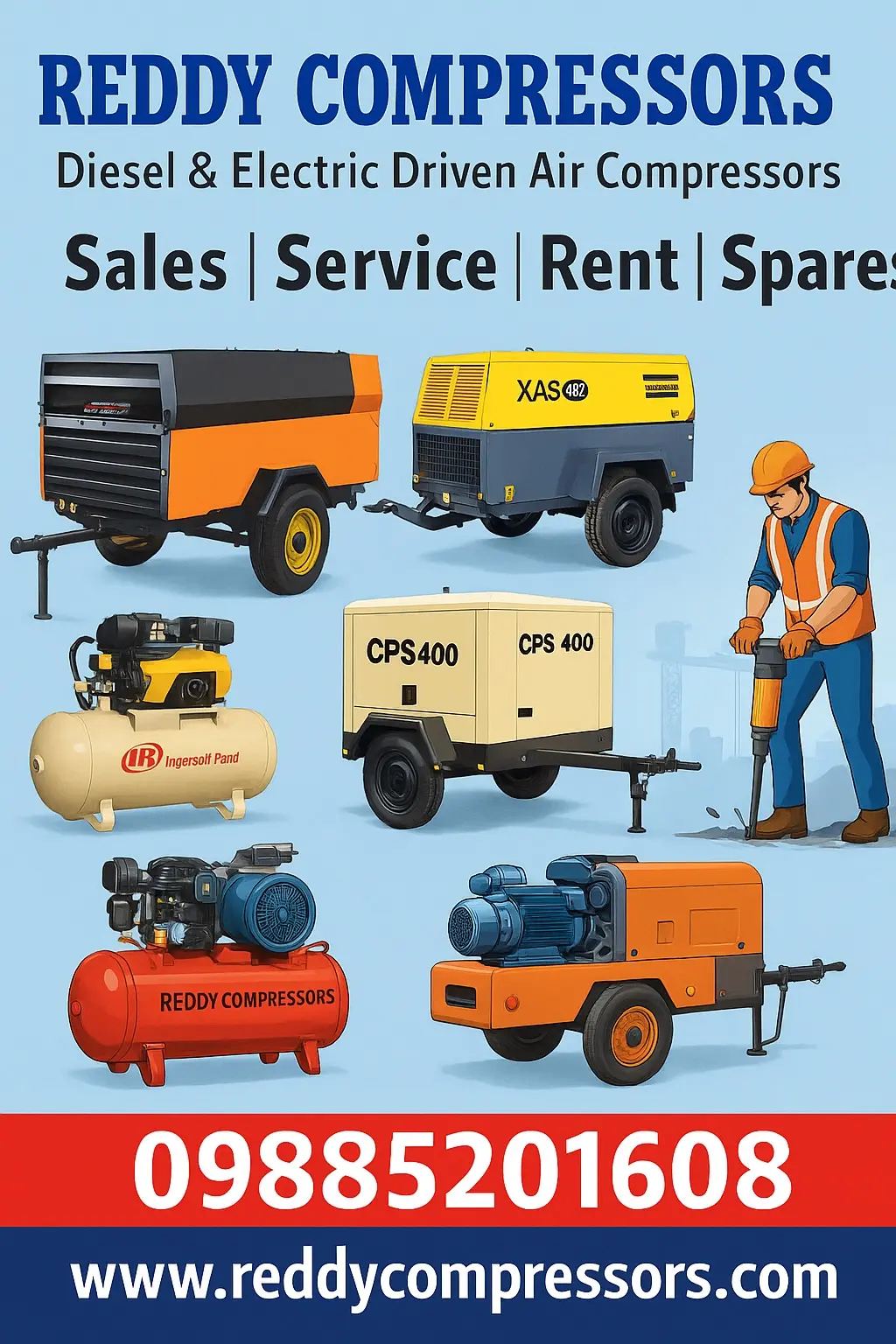
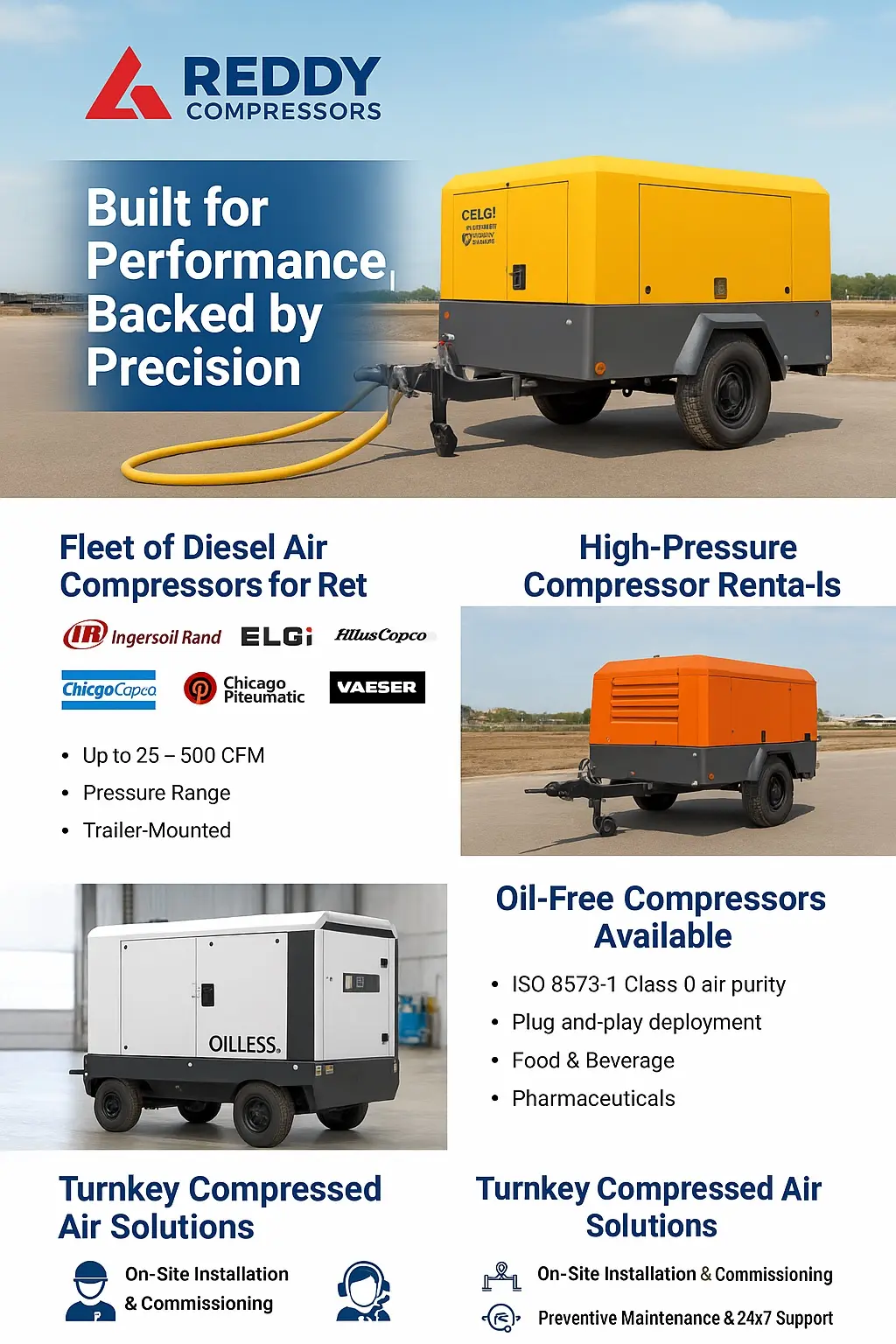
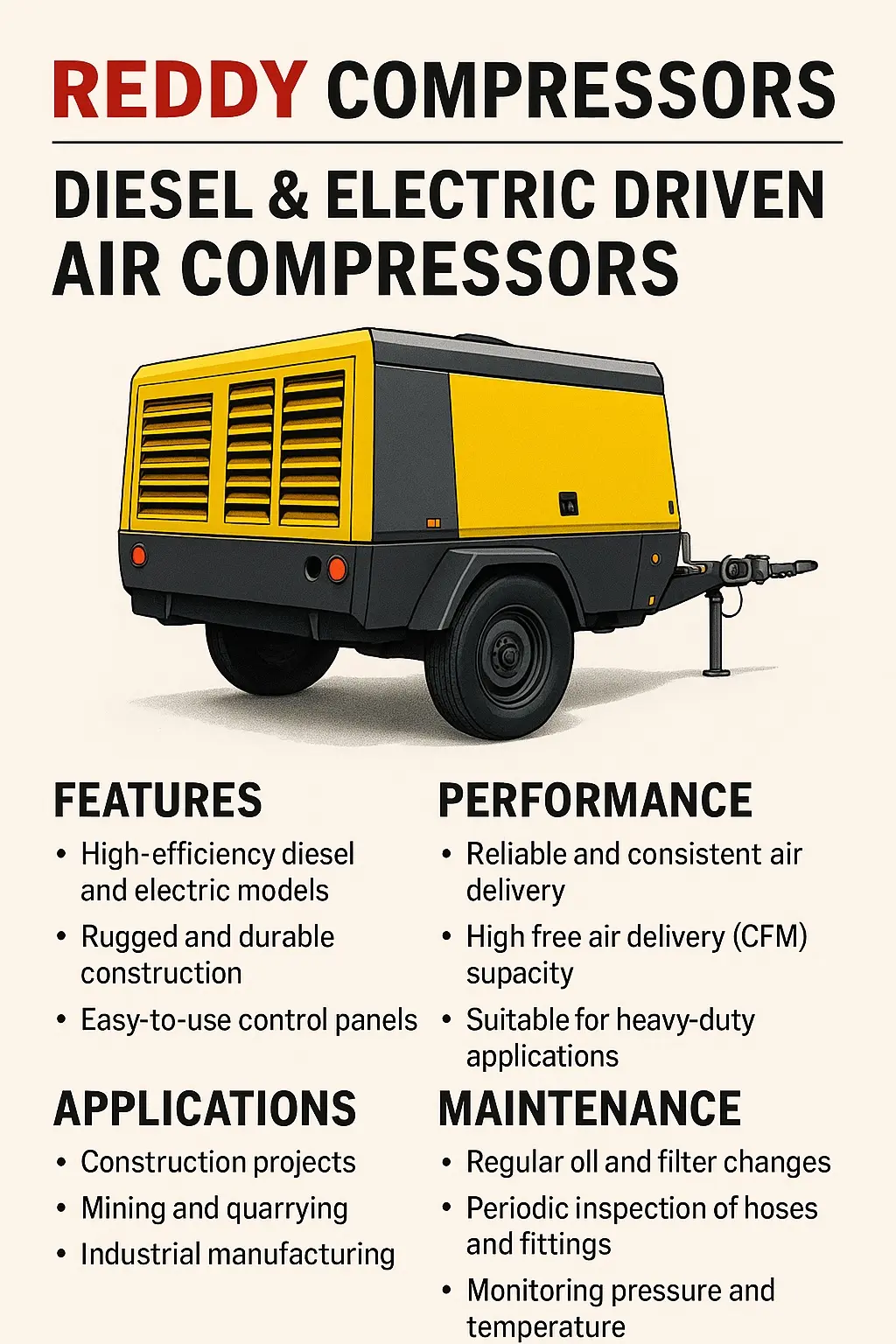
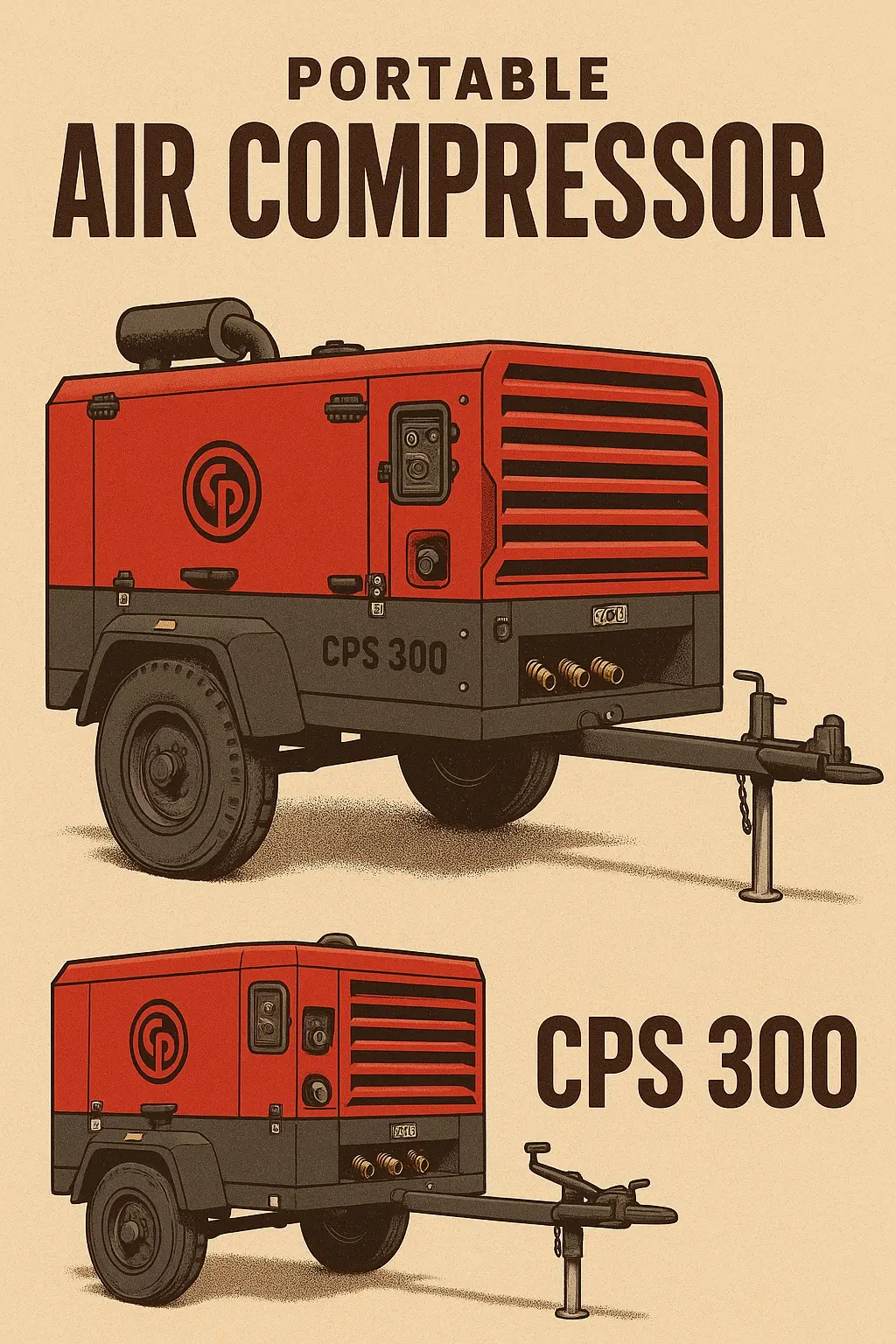
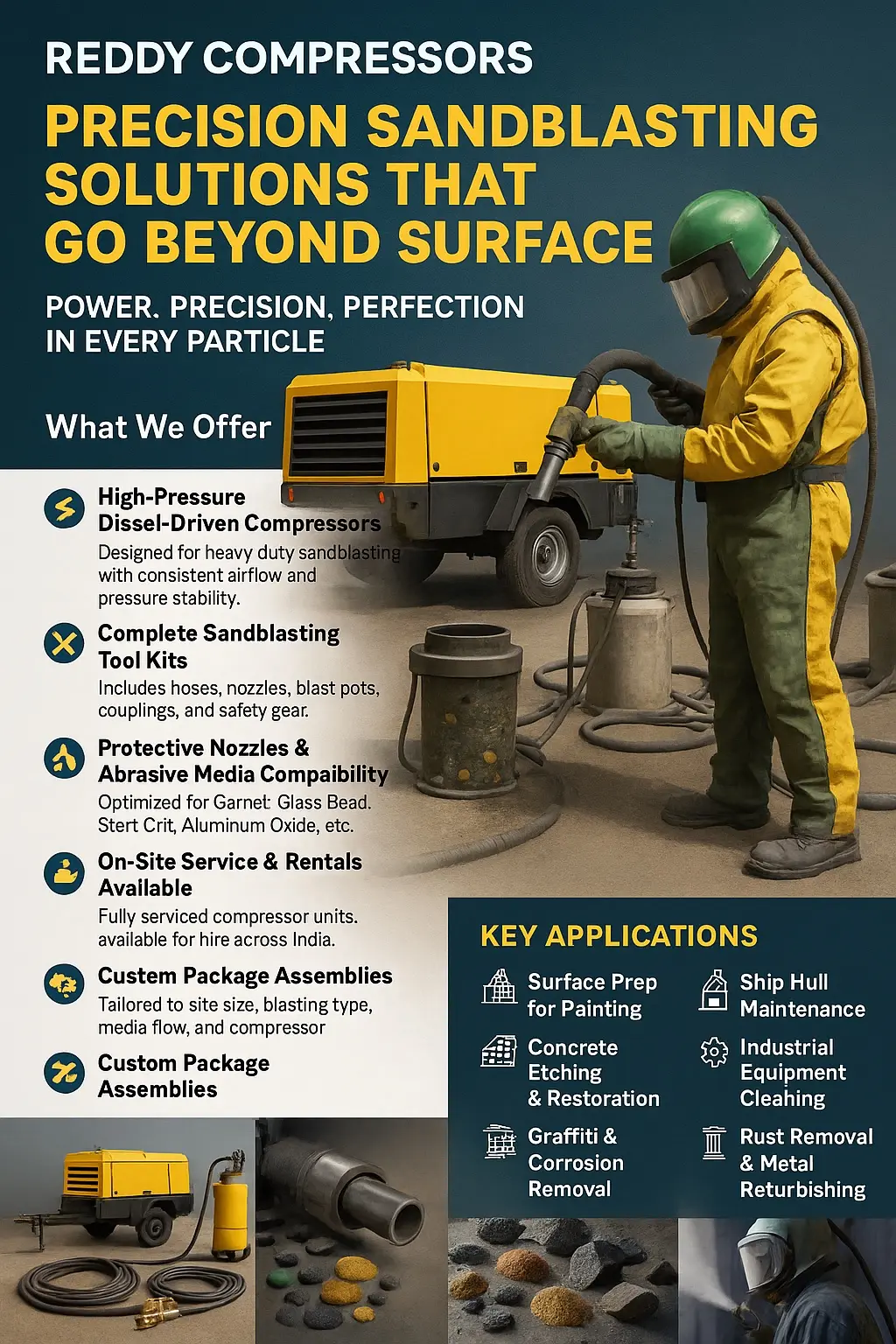
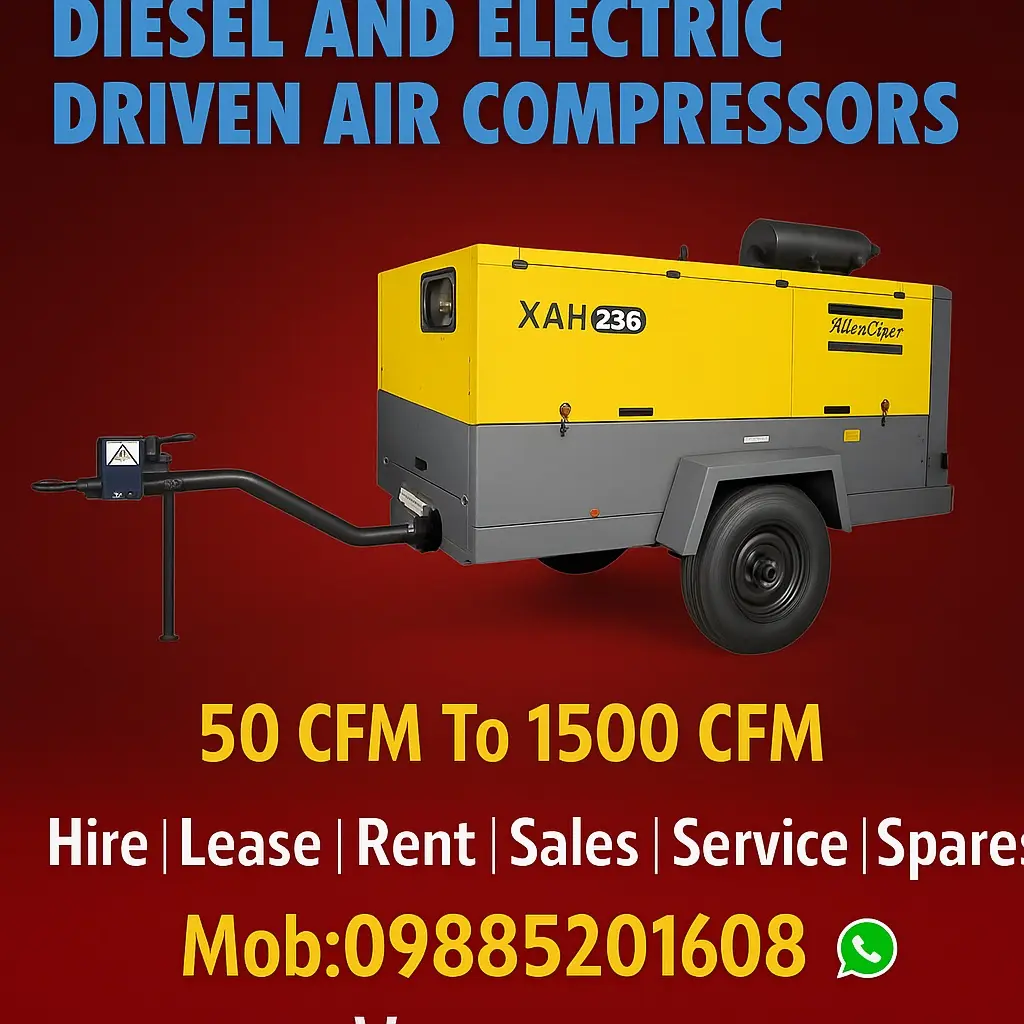
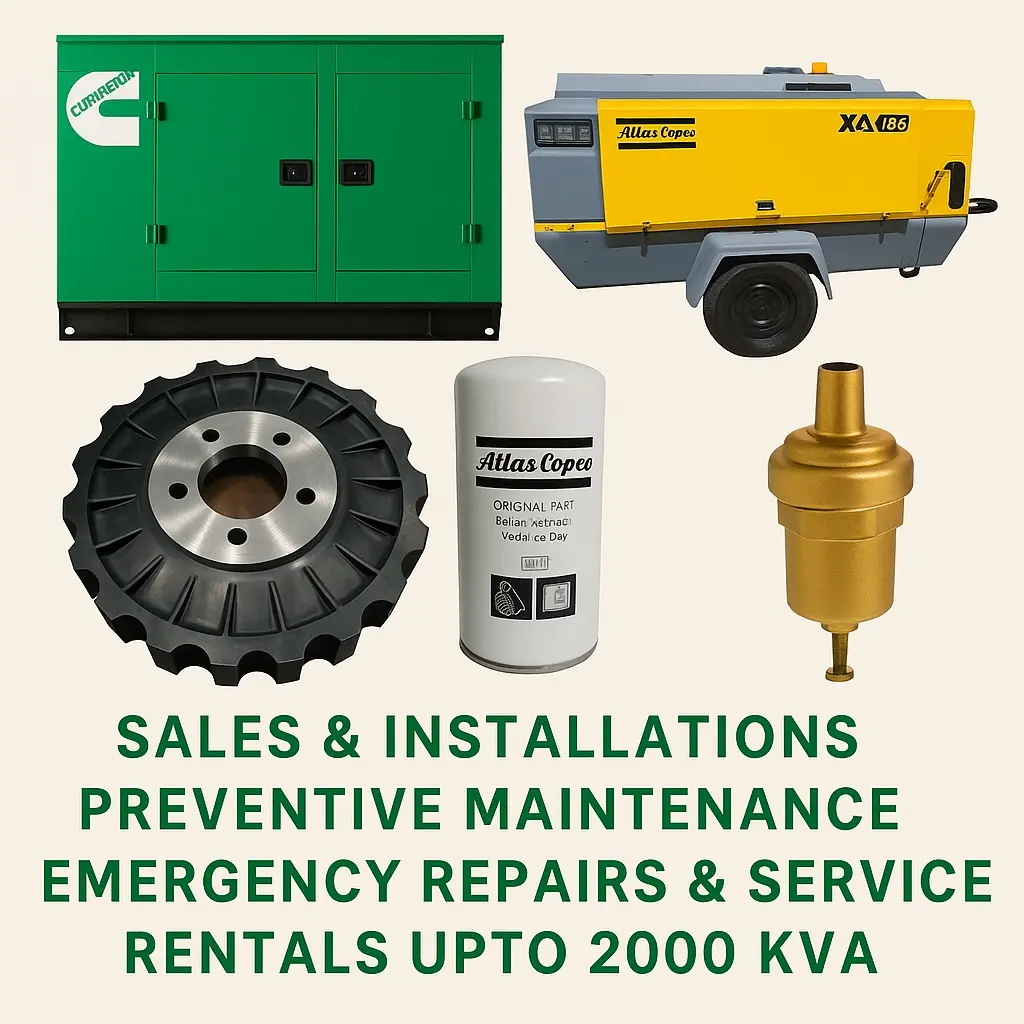
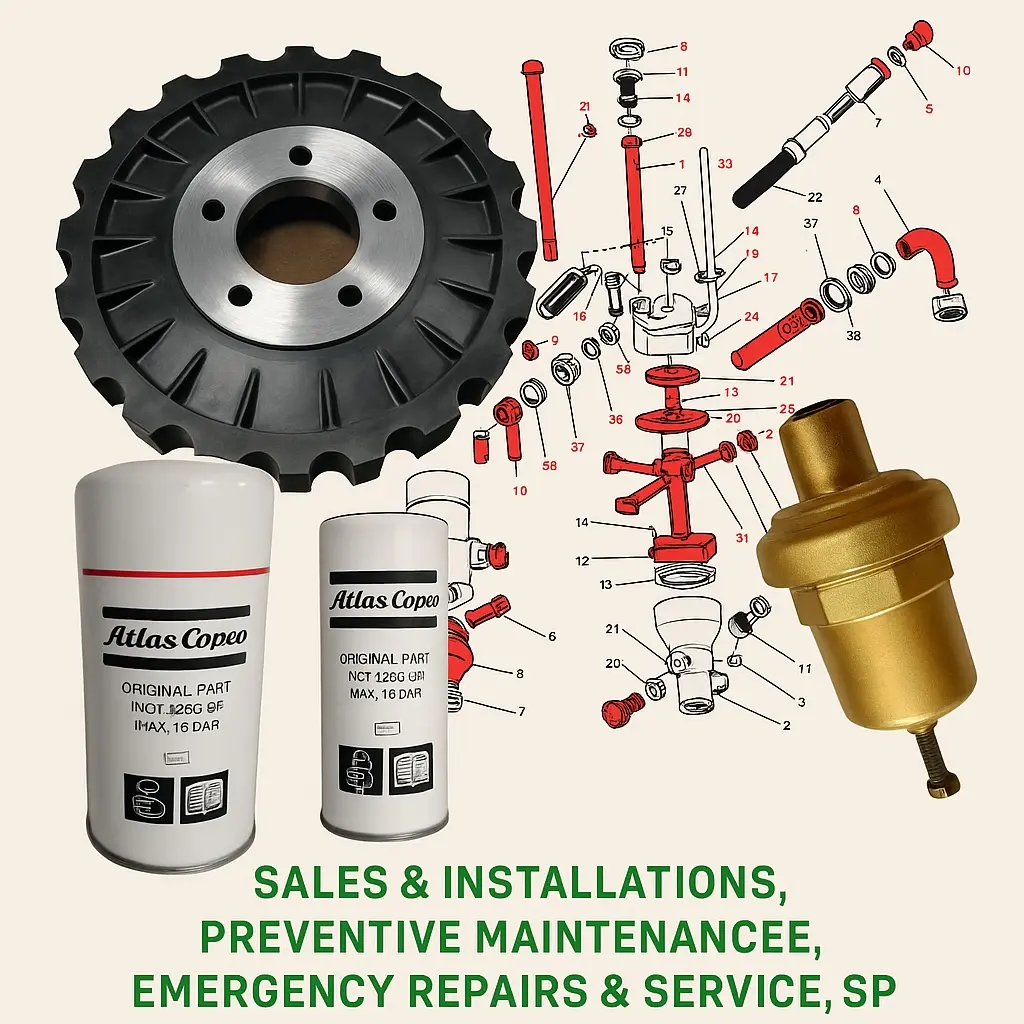
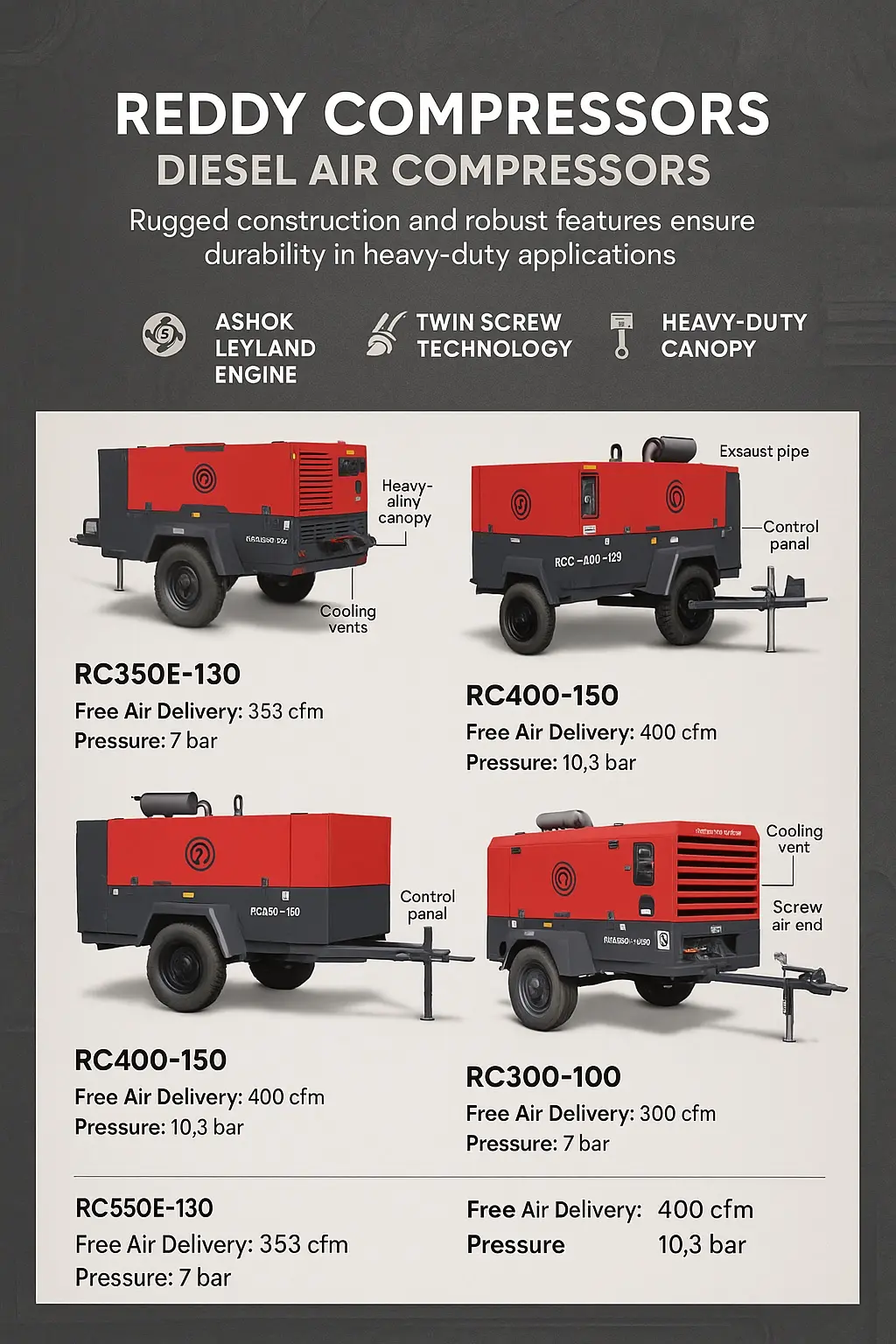
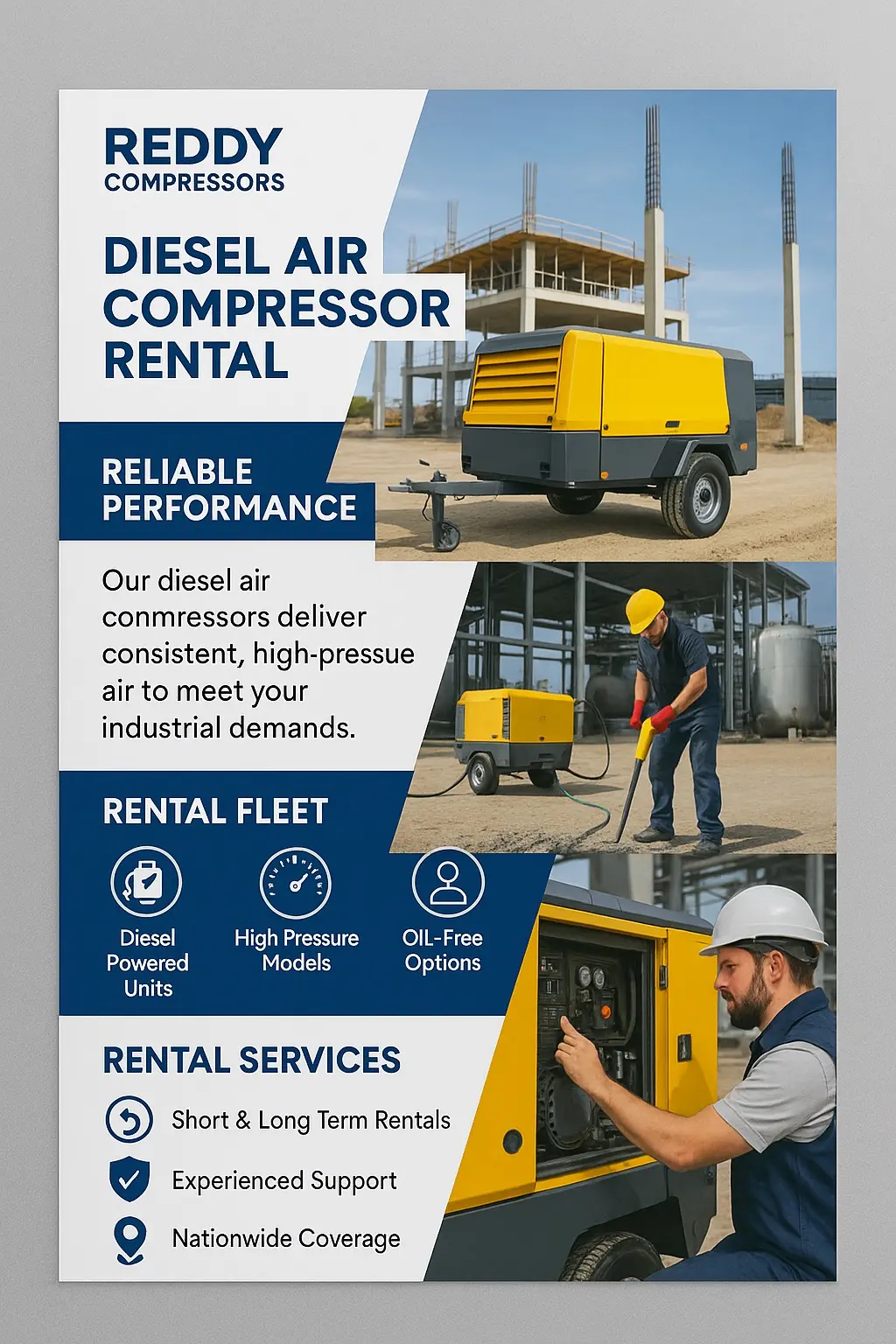
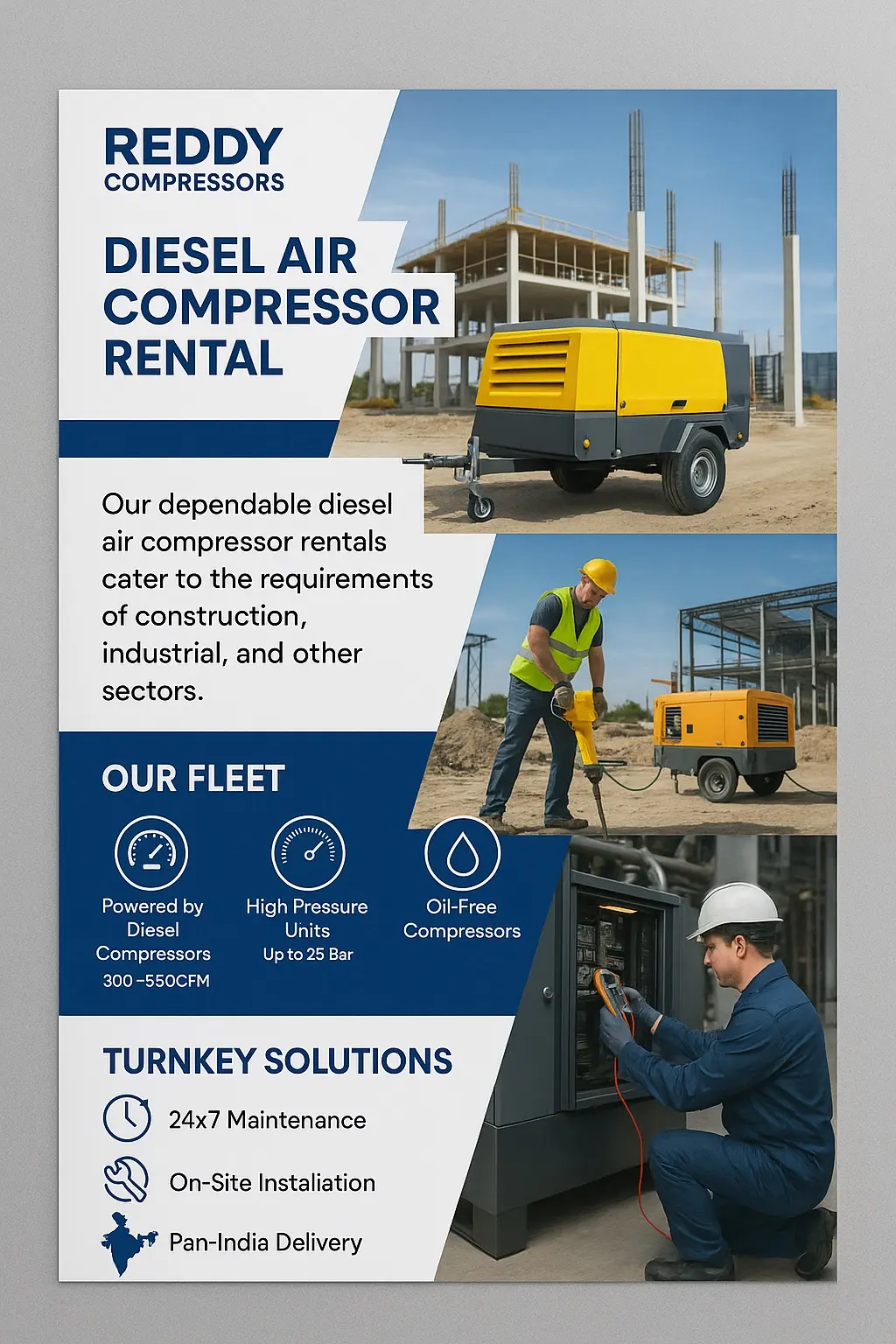
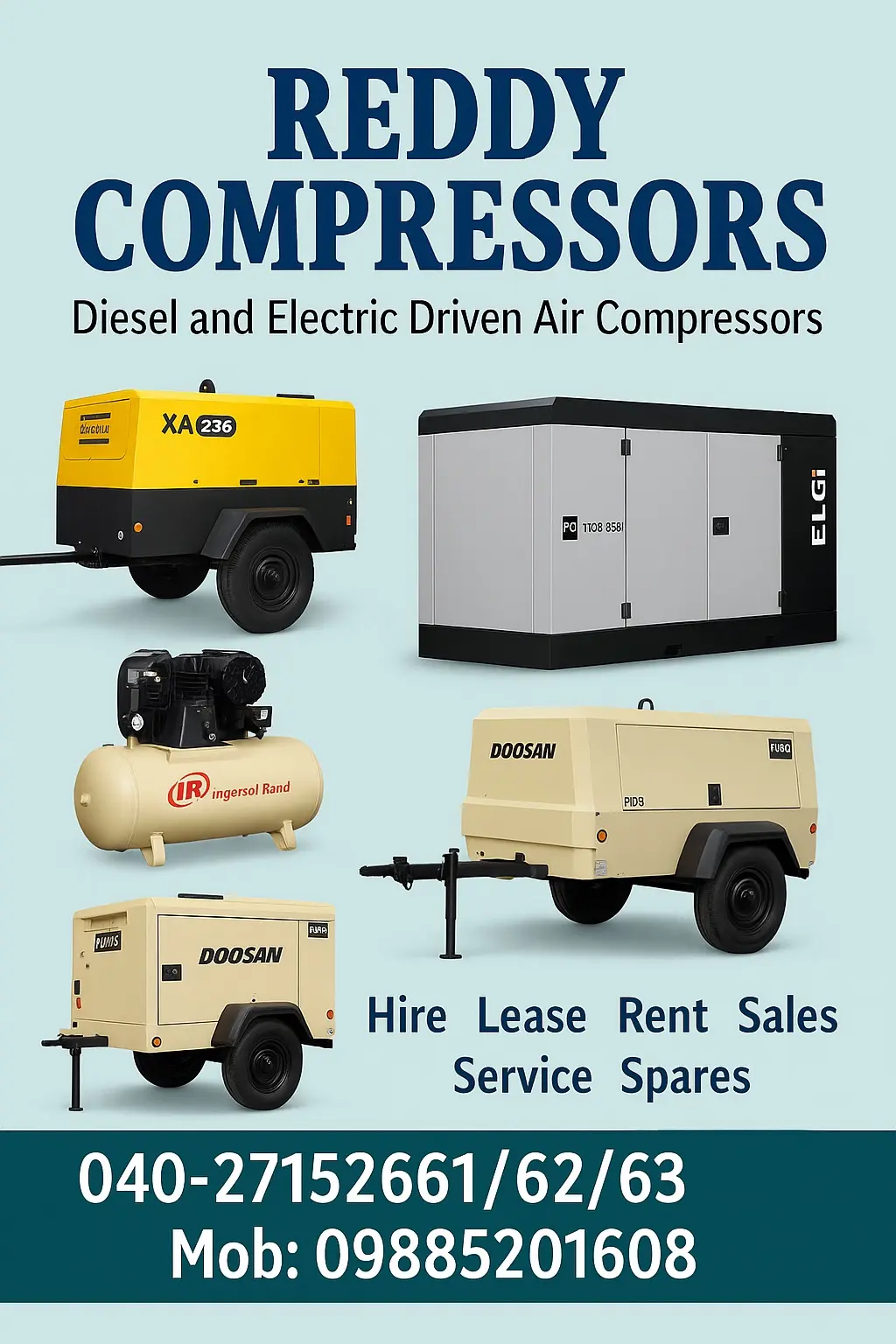
Original media order and captions are preserved. Card serial-number overlays have been removed.



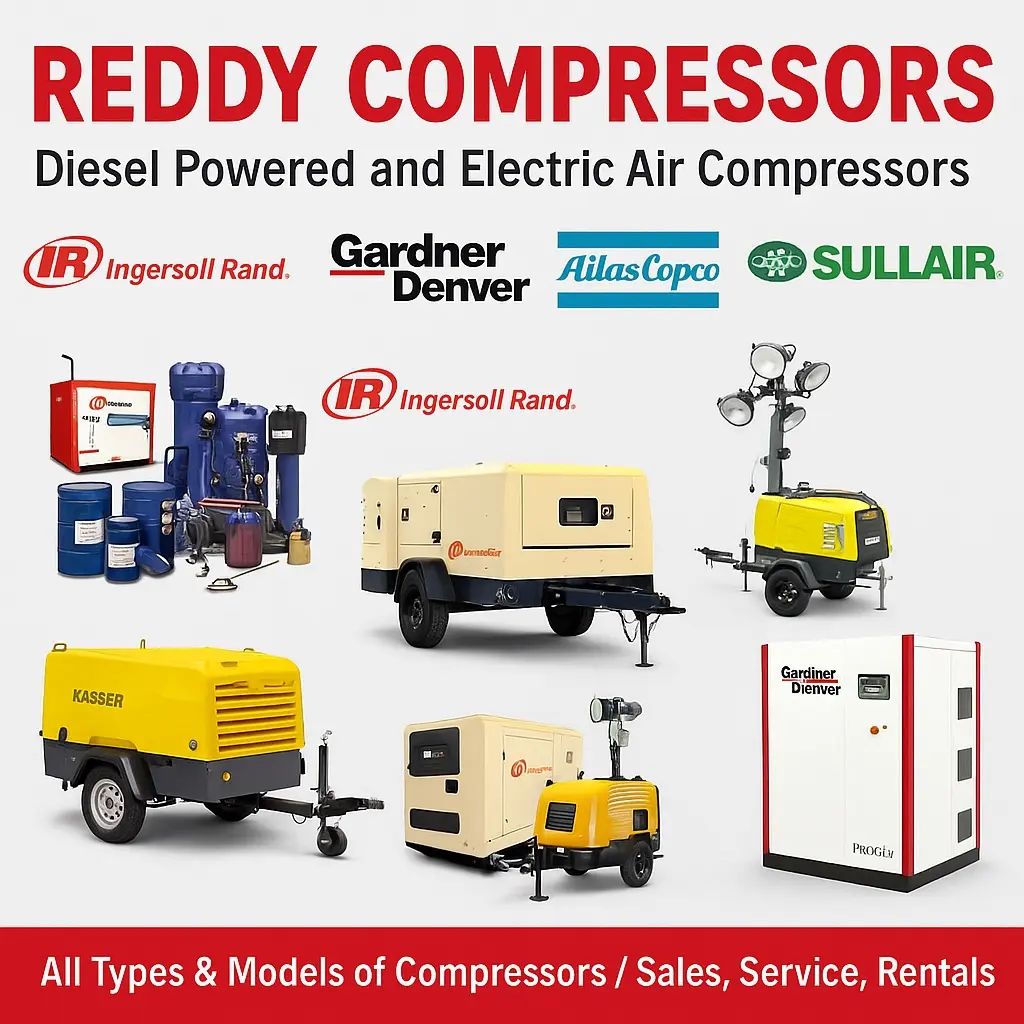
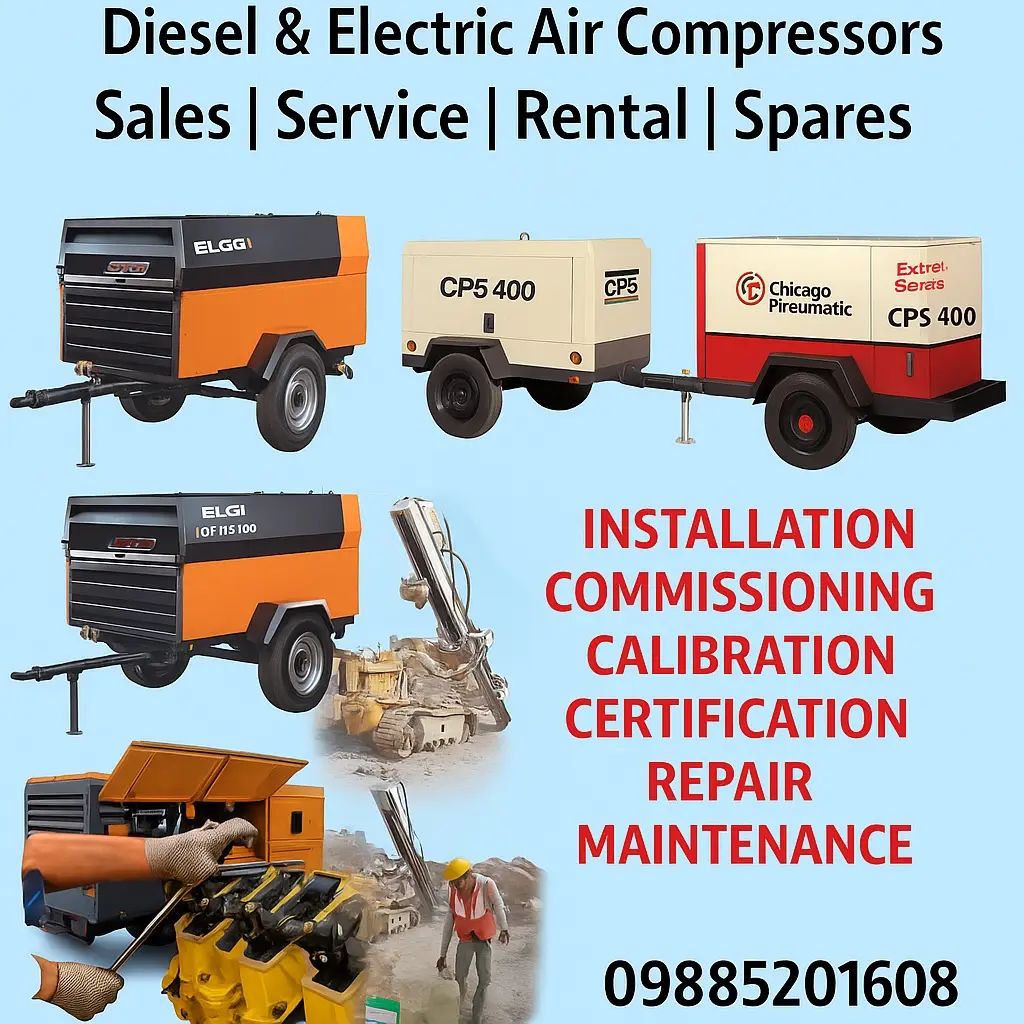
Technical video library
Four approved videos remain in their original order with captions, duration and native playback controls.
Daily, monthly, quarterly and annual maintenance reference.
A visual introduction to storage, stability and compressed-air system behavior.
A quick comparison of three industrial gas-movement technologies.
Mobile compressed-air systems, components and typical field applications.
The Reddy method
Every equipment, rental, service or optimization recommendation should connect to operating evidence and a defined method of acceptance.
Map users, duty cycles, restrictions, operating environment and business consequence.
Capture demand, pressure behavior, storage response, air quality and energy where evidence is available.
Translate measurements into flow, pressure, treatment, distribution and redundancy requirements.
Match generation, treatment, storage, controls and distribution as one operating system.
Commission, baseline and check that the delivered system performs as intended.
Compressed-air essentials
Start with fifteen essentials here, then follow the complete 300-question knowledge path from fundamentals to advanced application engineering.
Compressed air is atmospheric air stored or delivered at a pressure above ambient pressure so it can perform useful work. In industry it is used for pneumatic tools, actuators, controls, production equipment and many process applications.
An air compressor is a machine that draws in atmospheric air and raises its pressure by reducing its volume. The correct compressor depends on required airflow, working pressure, duty cycle, air quality and site conditions.
CFM means cubic feet per minute and is a measure of airflow. When comparing compressors, confirm the measurement basis and the delivered airflow at the required working pressure rather than relying on a headline CFM number alone.
Airflow is the quantity of air delivered over time; pressure is the force available to do work. A compressor must satisfy both. High airflow with insufficient pressure, or adequate pressure with insufficient airflow, can cause poor tool and process performance.
Start with the simultaneous air demand of the equipment that will operate together, then identify minimum working pressure, duty cycle, air-quality requirement, hose or piping losses, ambient conditions and future demand. Final selection should be verified against actual application conditions.
Rotary screw compressors are generally suited to sustained industrial airflow and longer duty cycles, while reciprocating compressors are commonly used for intermittent demand and many smaller or higher-pressure duties. The application, not simply compressor type, should determine the choice.
Portable diesel compressors are useful where compressed air is required at temporary, remote or mobile worksites, especially where electrical supply is unavailable or impractical. Selection should consider airflow, pressure, mobility, fuel logistics, environment and the connected tools.
List every tool expected to operate simultaneously, verify each tool’s airflow and minimum pressure requirement, total the simultaneous airflow, assess hose and fitting losses and operating conditions, then select a compressor that can maintain the required flow at the required point-of-use pressure.
Pressure drop can result from undersized piping or hoses, long runs, restrictive filters or dryers, partially closed valves, excessive fittings, leaks or demand peaks. The solution should address the restriction or distribution problem rather than automatically increasing compressor discharge pressure.
A correctly engineered receiver can provide stored air, buffer short demand peaks, smooth pressure fluctuations and reduce unnecessary compressor cycling. Receiver sizing, placement and statutory requirements depend on the system and local regulations.
Compressing air concentrates moisture. A dryer reduces water vapour to a level appropriate for the process, helping protect piping, pneumatic equipment, instruments and products. Dryer selection should be based on the required pressure dew point and operating conditions.
Refrigerated dryers are widely used for general industrial compressed air where a moderate pressure dew point is acceptable. Desiccant dryers are used when significantly drier air is required. The correct choice depends on air-quality requirements, ambient conditions, lifecycle cost and process risk.
Common opportunities include repairing leaks, eliminating inappropriate uses, reducing avoidable pressure drop, operating at the lowest practical system pressure, improving controls, matching compressor capacity to demand and maintaining filters, coolers and treatment equipment correctly.
Service intervals depend on compressor design, manufacturer instructions, operating hours, load profile, environment and condition. Maintenance should be planned from the equipment manual and operating history rather than using one universal interval for every compressor.
Reddy Compressors supports compressed-air requirements across equipment selection, sales, rental, service, repairs, AMC, spares, installation and application support. Recommendations should be based on verified airflow, pressure, duty, air quality, site and continuity requirements.
Structured from basics to advanced · 15 progressive topics
Commercial response
Share the application, airflow, pressure, air quality, site and timing. Unknown values are acceptable; they become part of the qualification process.